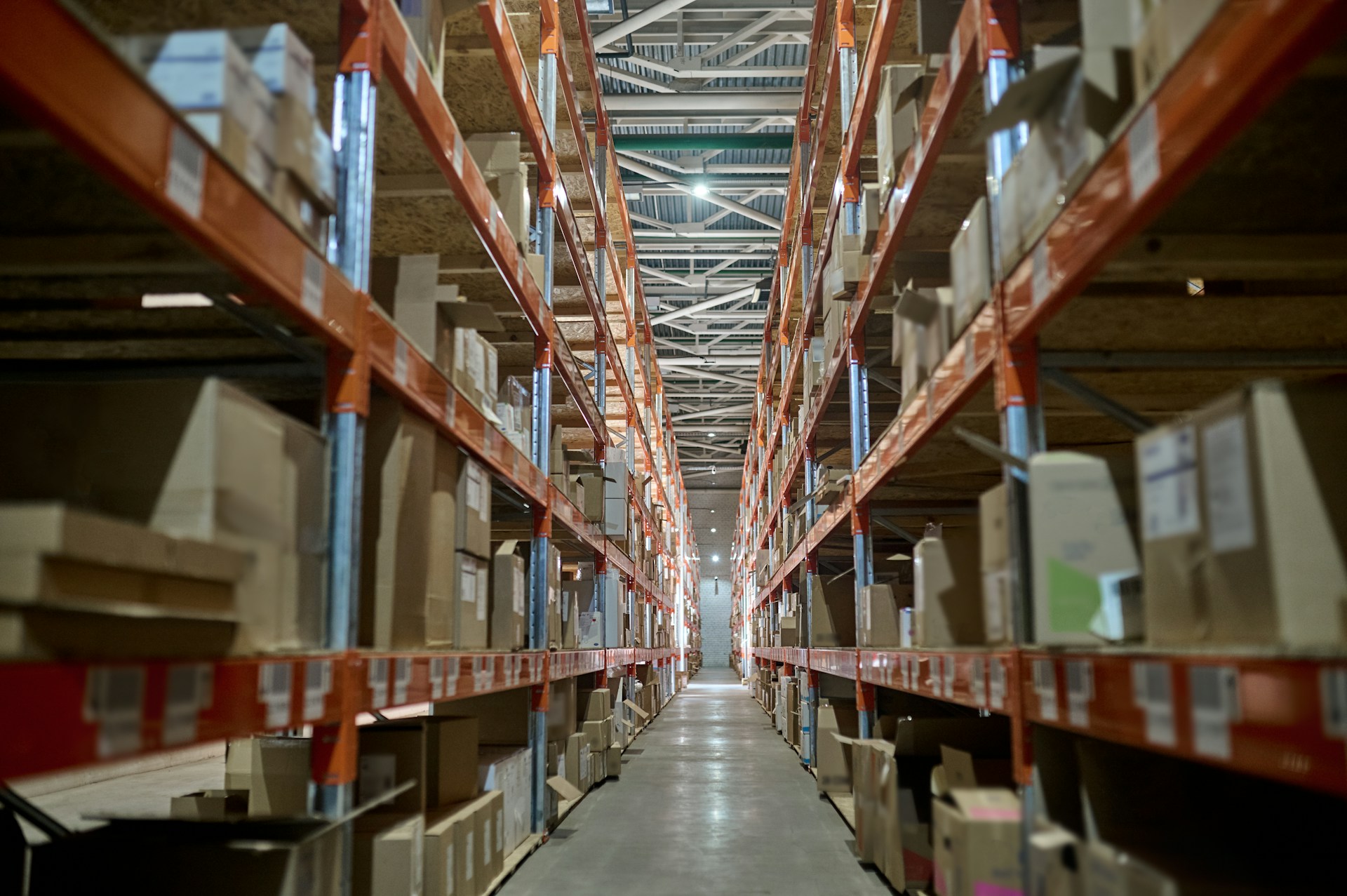
Custom warehousing plays a pivotal role in the global trade landscape, serving as a hub where products wait before reaching the end user. Efficient warehousing is key to minimizing delivery times and managing costs, contributing significantly to a company’s overall supply chain performance. When done right, it acts as a backbone, ensuring products are stored safely, managed effectively, and shipped promptly.
But it’s not just about having a warehouse full of goods. Effective custom warehousing involves strategic planning and decision-making. Understanding the nuances of location, management systems, layout, and regulatory compliance can transform a simple storage area into a powerful logistics asset. In the fast-paced world of trade, having an edge through refined warehousing practices provides businesses with a competitive advantage.
Selecting the Right Warehousing Location
Choosing the perfect spot for your warehouse is a critical decision. In the UK, several factors determine an ideal location that can greatly influence the efficiency of your operations:
– Proximity to Major Transportation Links: Warehouses should be close to motorways, railways, and ports. This reduces transportation costs and speeds up delivery times.
– Access to a Shipping Office: Being near a shipping office streamlines administrative tasks, like import/export documentation and compliance checks.
– Local Infrastructure Quality: Ensure the local roads and utilities are robust enough to support your operations without interruptions.
– Labour Availability: Check if there’s a skilled workforce nearby to handle warehousing tasks like inventory management and shipping.
Take, for instance, a company that sets up its warehouse in Manchester due to its proximity to key transport routes and a thriving talent pool. This strategic location choice can lead to faster order fulfillment and improved logistics efficiency. Considering these factors can make all the difference in creating an effective custom warehousing operation.
Implementing Advanced Inventory Management Systems
Once your warehouse location is set, it’s important to ensure that operations inside run as smoothly as possible. This is where modern inventory management systems step in. These systems provide real-time data and insights into your inventory levels, helping you avoid the pitfalls of overstocking or running out of stock. With automated systems, tracking goods from entry to dispatch becomes much easier, significantly reducing human errors and improving accuracy.
Choosing the right technology involves considering the size of your inventory, the complexity of your operations, and your budget constraints. It’s worth looking into systems that integrate smoothly with existing platforms and provide easy access for your team. Options like cloud-based systems offer flexibility and can be scaled over time to match your needs. These systems not only help in monitoring stock levels but also play a part in forecasting future trends by analysing past data, which can be incredibly beneficial for making informed decisions.
Optimising Warehouse Layout and Design
The layout of your warehouse can greatly affect how efficiently it runs. A well-thought-out design ensures that goods move smoothly through the stages, from receiving to shipping. Here are some pointers on optimising your warehouse layout:
– Plan for Movement: Arrange aisles and storage spaces to allow for easy movement of staff and equipment. Consider the paths taken most often and ensure they’re free from obstructions.
– Strategic Placement: Keep fast-moving items near dispatch areas to reduce picking times. Slower moving goods can be stored further back.
– Use Vertical Space: Make use of the warehouse height by installing racks and shelves. This maximises storage space without requiring additional floor space.
– Designate Zones: Separate areas for different activities like storage, packing, and shipping can make operations more streamlined.
Efficient layout not only speeds up processes but also enhances safety, reducing the risk of accidents and making life easier for employees.
Ensuring Compliance with UK Custom Regulations
Navigating the complex web of customs regulations can be tricky, but compliance is essential to avoid penalties. Keeping abreast of the latest rules in the UK is necessary for smooth operations. Make it a priority to stay informed about any changes in customs laws and ensure your staff are trained appropriately. Regularly updating training programmes can prevent costly mistakes and facilitate smoother transactions.
Staying connected with customs authorities can offer insights into upcoming changes. Additionally, using compliance management software can automate document preparation and submission, ensuring they meet current standards. Establishing a routine for compliance checks can catch potential issues early, safeguarding your operations from disruptions.
Elevate Your Custom Warehousing Practices
Effective custom warehousing involves more than just storing goods. It’s about leveraging technology, smart design, and regulatory knowledge to create an efficient operation. Taking a proactive approach in assessing and improving your warehousing practices can lead to better inventory control, reduced costs, and happier customers.
Consistently reviewing processes and staying adaptable to new technologies enables your warehousing system to evolve and improve. This ongoing growth not only ensures operational success but also supports broader business objectives, allowing your business to expand and thrive in the ever-changing landscape of global trade. Embracing these strategies will position your warehousing operations for success, fostering long-term benefits and strengthening your supply chain.
To streamline your operations and enhance efficiency, positioning your warehouse close to a shipping office is a smart move. For more on how to optimise your logistics and warehousing set-up, explore the services offered by CIE Services Ltd and see how we can support your growing needs.